




Writer: Jordan Sprogis


Editor: Lillian Castro


Reviewer: Cristian Lopez

Key Takeaways
The new commerce insights report from WooCommerce and Klaviyo may primarily track the current state of eCommerce, but its survey of 6,000 respondents also serves as a progress report on how well hosting providers are supporting eCommerce merchants as 2025’s final quarter approaches.
And it doesn’t just restate the obvious about uptime — everyone knows “slow performance is bad.” The report also highlights the persistent challenges merchants face in a landscape increasingly shaped by AI and automation.
Inside the Report
The past few years have been a whirlwind for the hosting industry as AI and eCommerce have climbed to the top.
Many providers have added tools to better equip sites for online success, acting less like providers of infrastructure and more like success partners, with major platforms like Shopify, Squarespace, GoDaddy, and Wix paving the way of new expectations.
While the 6,000 respondents didn’t intend to deliver a progress report on the hosting industry’s support of eCommerce needs, they essentially did — giving industry professionals a candid look at how satisfied (or unsatisfied) consumers are in the current climate.
Here’s what the report found and what it suggests for hosts with eCommerce clients:
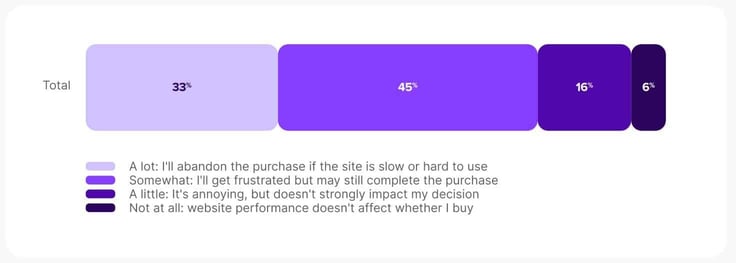
78% of shoppers abandon carts due to slow or difficult websites
That stat isn’t universal, though — Canadian consumers are the least forgiving, with 81% saying site speed directly affects whether they’ll complete a purchase.
Omnichannel discovery adds another layer of complexity: even when shoppers find a product via a TikTok or Amazon influencer, they still prefer to buy directly from the brand’s official site.
On the surface, that sounds like a marketing problem. In reality, it’s an infrastructure one.
APIs connecting WooCommerce to TikTok Shop, Instagram Checkout, or Amazon listings create additional load and latency pressure. This is also where modern-day infrastructure solutions come into the equation, including edge caching, global CDNs, and database optimization.
“I still see eCommerce sites without Apple Pay, for example,” Community manager of Kinsta, Roger Williams, said to HostingAdvice previously. “Talk about a shortcut for making it easy to check out and share my shipping information!”
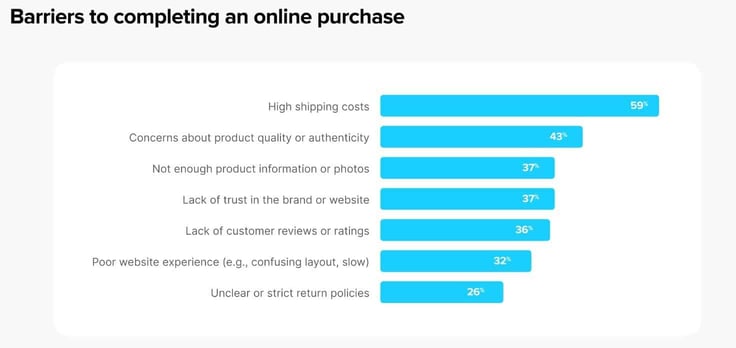
32% say confusing UI is a barrier to completing checkout
A payment page that lags, a plugin that conflicts with a theme, or a mobile view that doesn’t render correctly all create the same result: a shopper who bounces.
Surveys will show exactly what merchants are looking for. Here’s one example from Hostinger:
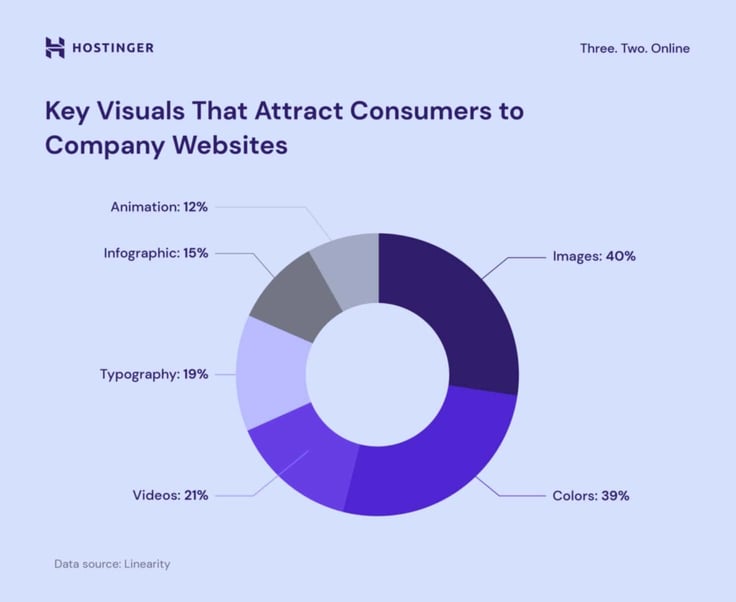
Hostinger also reported that great UX design can drive conversion rates by up to 400%. But that kind of upside depends on responsive templates, caching, and third-party integrations. And they have to run cleanly across updates and devices.
WordPress theme developer, Satyendra Yadav from ThemeHunk, also confirmed to HostingAdvice that responsive designs, built-in eCommerce features, and visual elements all “contribute to a positive user experience, improve site functionality, and help drive more traffic and conversions.”
He added: “It’s so important for acquiring and retaining new customers in this competitive landscape.”
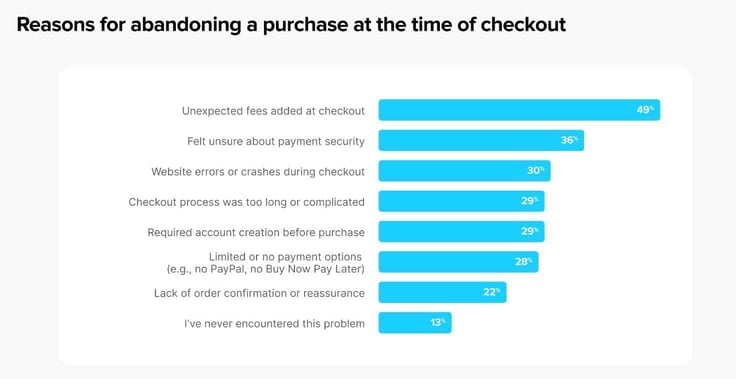
36% abandon a cart at checkout if payment security feels unclear
Consumers today are painfully aware of how dangerous cyberattacks have become: They know it’s not just about spotting a fishy email anymore — breaches can happen anywhere, even the moment they enter their card details.
They also expect their hosts to help them avoid that. The industry is shifting accordingly, with providers evolving from simple hosts into all-in-one platforms.
“Clients now demand that hosting providers function as active security guardians,” Daniel Kanchev, Director of Product Development at SiteGround, told HostingAdvice. “They want assurance that if a vulnerability arises, or even before, they’ll be alerted and helped to fix it immediately.”
29% abandon if the checkout flow itself is confusing or overly complicated
That 29% stat explains why so many merchants lean on third-party solutions like Shop Pay, PayPal, or Apple Pay. While not FDIC-insured, they are required to comply with federal and local regulations, meaning that these payment platforms give consumers a better sense of trust.
It’s as Alex Avramenko, the Head of Commerce Growth at GoDaddy, told HostingAdvice in a previous interview: “[Consumer] preferences are driving a shift toward seamless, digital-first retail models that prioritize convenience and user experience above all else.”
Making sure those plugins or APIs are working, secure, and tuned for uptime across themes, devices, and updates is what separates a guaranteed sale from an abandoned cart. And managed WordPress and hosting providers know that that’s the whole pitch to SMBs.
37% say lack of trust in the brand or website is a barrier to completing an online purchase
Brand names matter because people are more likely to buy from a site with positive reviews and a solid reputation. That’s why TikTok and Instagram influencers can make entire careers recommending products: The more familiar a name, the more likely consumers will buy.
But brand recognition has limits. Trust also depends on the provider itself. For example, Lovable, the AI web builder, has recently faced criticism for allowing cybercriminals to create convincing websites and emails for sophisticated phishing scams.
The fact is that merchants no longer separate trust, UI, and infrastructure. To them, uptime, checkout flow, plugin reliability, and payment security are part of one experience.
It’s as Oren Inditzky from Wix once said: “The definition of a hosting platform has shifted. It’s no longer just about giving businesses a place to build a website; it’s about giving them a place to manage and grow their business.”
