















Frequently Asked Questions About Blog Hosting

Laura Bernheim
Contributing Expert
People blog for countless reasons. For many, writing is an outlet to express themselves, an editor-free, no-deadline zone.
While some professionals and businesses blog to share knowledge, gain exposure, build a network, or add a revenue stream, many hobbyists just want to share their lives online in a format deeper than social media allows.
Because blogging is such an accessible way to get online, you can start a blog with very little tech experience. All you need is a domain, web hosting, and blogging software. Most bloggers choose WordPress as their blogging platform because of its flexibility, themes, and plugin ecosystem.
What Is Blog Hosting?
Blog hosting is an online service where you rent server space from a web hosting company to host your blog. Without blog hosting, no one can see your website. The server is what connects your blog to the internet so people can visit it.
In addition to giving you server space, blog hosting providers include other blogging-friendly features to tailor the experience. Your provider will likely include features such as a free domain name, blog-themed website templates, pre-installed WordPress, and speed optimizations to enhance website performance.
What Are the Pros and Cons of Using a Web Host Instead of a Dedicated Blogging Platform?
I genuinely think it makes more sense for most people to build a WordPress blog and host it with an affordable shared hosting provider. It’s cheap, fairly easy to get started, and you get a ton of free features.
However, there are some limitations to using a web host when compared to a platform that’s solely dedicated to blogs.
| Pros | Cons |
|---|---|
|
You can custom-code your site or use a site builder, giving you full control over the look and feel of your blog. |
Hosting your blog with a web host may require a little more technical skill than dedicated blogging platforms. |
|
You have many types of plans at your disposal, from shared to VPS and cloud hosting. This lets you scale your blog as traffic grows. |
Blogging platforms like Medium often have built-in audiences, while web hosts do not. |
|
Web hosts typically give you a free domain name for your first year. |
Unlike blogging platforms, web hosting may require some server maintenance on your part. |
|
Shared web hosting plans are usually very affordable for blog hosting. |
It’s up to you to decide which option suits you better. Do you want a little more customization and control? Or do you prefer a more hands-off approach?
How Much Does Blog Hosting Cost?
Blog hosting doesn’t have a set cost. However, you can expect to pay anywhere from $1 to $10 monthly for an entry-level shared hosting plan.
| Host | Monthly Starting Price |
|---|---|
| Bluehost | $1.99 |
| Hostinger | $2.69 |
| Hosting.com | $1.99 |
| IONOS | $1.00 |
| InMotion Hosting | $3.29 |
| SiteGround | $2.99 |
| HostGator | $2.29 |
| GoDaddy | $7.99 |
| WP Engine | $10.00 |
| Liquid Web | $4.16 |
| GreenGeeks | $2.95 |
The price you pay depends on a few factors, such as:
- The type of server (shared, VPS, dedicated, etc.)
- Amount of RAM, bandwidth, and CPUs
- Whether or not the plan offers managed support
- Add-ons such as domain privacy protection, advanced security features, and a free domain name
- Hardware enhancements, such as NVMe SSDs over HDDs
Some blog hosts are known for their affordability, such as IONOS, while others are considered premium services, such as managed hosting from WP Engine.
What Features Should I Look for in a Blogging Platform?
With such a massive market for beginner website owners and aspiring bloggers, hosting providers go to amazing lengths to make the path to a new website as foolproof as possible.
You’d be hard-pressed to find a host that doesn’t have one-click installations of the top blogging platforms — in fact, some even come with WordPress pre-installed.
These are the features you should keep an eye out for:
- One-click installations for the top blogging software
- Free domain for your new blog to park at
- Unlimited storage for your content and media
- Website builders with customizable site templates
- Marketing tools to help get your blog noticed
I’ve always gone straight to WordPress for all my blogging needs, but the open-source platform certainly doesn’t have a monopoly on blogs. In addition to commonly included website builders, such as Weebly and Wix, many hosts have invested resources in crafting their own site builders and blogging tools.
Is Blog Hosting the Same as Web Hosting?
Blog hosting is simply web hosting optimized for blogging platforms such as WordPress. Most blog hosting plans are shared hosting packages that include tools for creating and managing blog content, including one-click WordPress installs, themes, and caching features.
While technically any web hosting plan can host a blog, blog hosting providers often include additional features such as blogging templates, SEO tools, and performance optimizations designed for content-heavy websites.
Do I Need WordPress Hosting for a Blog?
You don’t necessarily need specialized WordPress hosting to run a blog, but many bloggers choose it because WordPress powers more than 43% of the internet and is optimized for publishing content.
Most shared hosting providers offer one-click WordPress installation, making it easy to launch a blog in minutes. Managed WordPress hosting plans provide additional features such as automatic updates, enhanced security, and built-in caching.
What Are the Most Popular Blogging Platforms?
Let’s be honest — WordPress reigns supreme when it comes to blogging. WordPress powers more than 43% of all websites on the internet, making it the world’s most popular content management system.
However, that’s not to say that other options aren’t worth exploring. If you want to take the path less traveled, check out b2evolution, Medium, or the blogging tools of site builders.
WordPress Blog Hosting
You can take two different routes to hosting WordPress. Signing up through WordPress.com will give you a free account and a very basic blog hosted at YourName.WordPress.com.
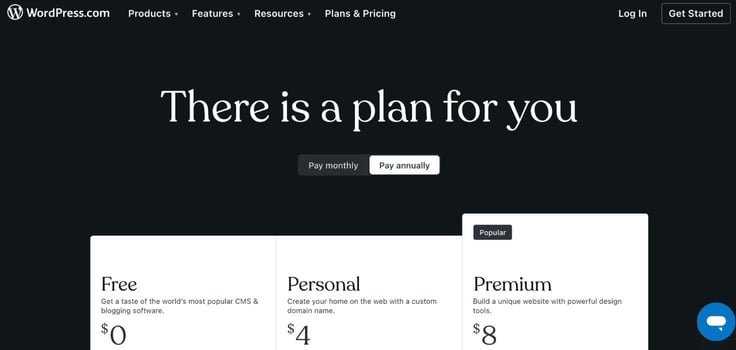
For those looking for more features or more ownership over their site and brand, you should go through WordPress.org — the open-source software requires a web hosting plan but unlocks a seemingly unlimited supply of themes, plugins, and website functionality.
You can install WordPress on most modern web hosting plans. Some providers, however, do an exceptional job at optimizing their infrastructure and support specifically for WordPress. InMotion Hosting and WP Engine are well-known for their WordPress offerings.
InMotion powers its infrastructure with ultra-fast SSDs, while WP Engine’s legendary software layer serves up caching, security monitoring, and a staging area.
b2evolution Blog Hosting
Developed from the same original project as WordPress, b2evolution is a comprehensive tool that includes features, such as anti-spam, analytics, digital marketing, and SEO tools, in the core code — no need to rely on third-party plugins or updates as you do with WordPress.
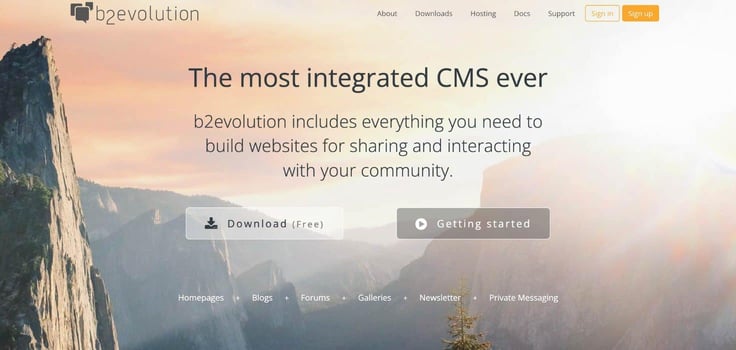
SiteGround optimizes blog hosting by offering a free domain name, transfer, email, and simple b2evolution installations through Softaculous. SSD storage and a free CDN, along with SiteGround’s customized server setup, mean you won’t leave someone on the edge of their seat with lagging page loads.
Free Blog Hosting Sites
While free web hosting options exist, they often come with limited storage, slower performance, and restricted customization compared with paid hosting plans.
If you want to take web hosting and blogging tools for a spin before you spend any money, give Wix a try.
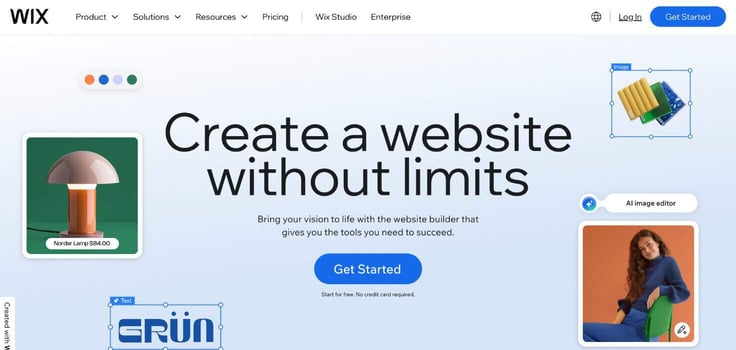
The popular drag-and-drop site builder platform will give you a free Wix domain and 500 MB of storage to get started, but it’s a pretty bare-bones environment.
If you upgrade to a paid account, Wix paid plans start around $17 permonth, depending on the features and storage you need.
Found Your Blog Host? Create and Share Your First Post!
Casual blogging experiences let writers share their lives with friends and family who live several states away, while professional writers and designers are able to showcase their work, tap into new professional networks, and potentially even develop some income.
No matter your goals or inspirations for blogging, hopefully, these hosting suggestions will help you find the perfect solution.