




Writer: Jordan Sprogis


Editor: Lillian Castro


Reviewer: Cristian Lopez

Key Takeaways
- Downtime costs SMBs $20K/year, with nearly 70% reporting direct revenue loss from poor site performance
- SMBs rely on hosts to help guide them through proper management, no matter the plan they choose
- CDNs, caching, and edge tools exist — but is the disconnect because hosts don’t offer or support them at the lower tiers?
Downtime is costing small businesses $20,172, or 15%, annually in average revenue lost, according to a recent Liquid Web report.
The report — which surveyed more than 200 SMBs — also concluded that poor performance caused a myriad of issues, including lost revenue (67%), missed growth opportunities (55%), damage to reputation (41%), and an increase in customer complaints (33%).
With CDNs, edge computing, and intelligent caching readily available across almost every platform, the million-dollar question is: How is this still happening?
Hosting has never had more tools to ensure uptime, and yet these numbers speak for themselves.
The Downtime Price Tag
According to the report, 13% of small businesses experienced downtime in the past year. Of that percentage, more than two-thirds said it cost them revenue, resulting in a 7.5% drop in traffic.
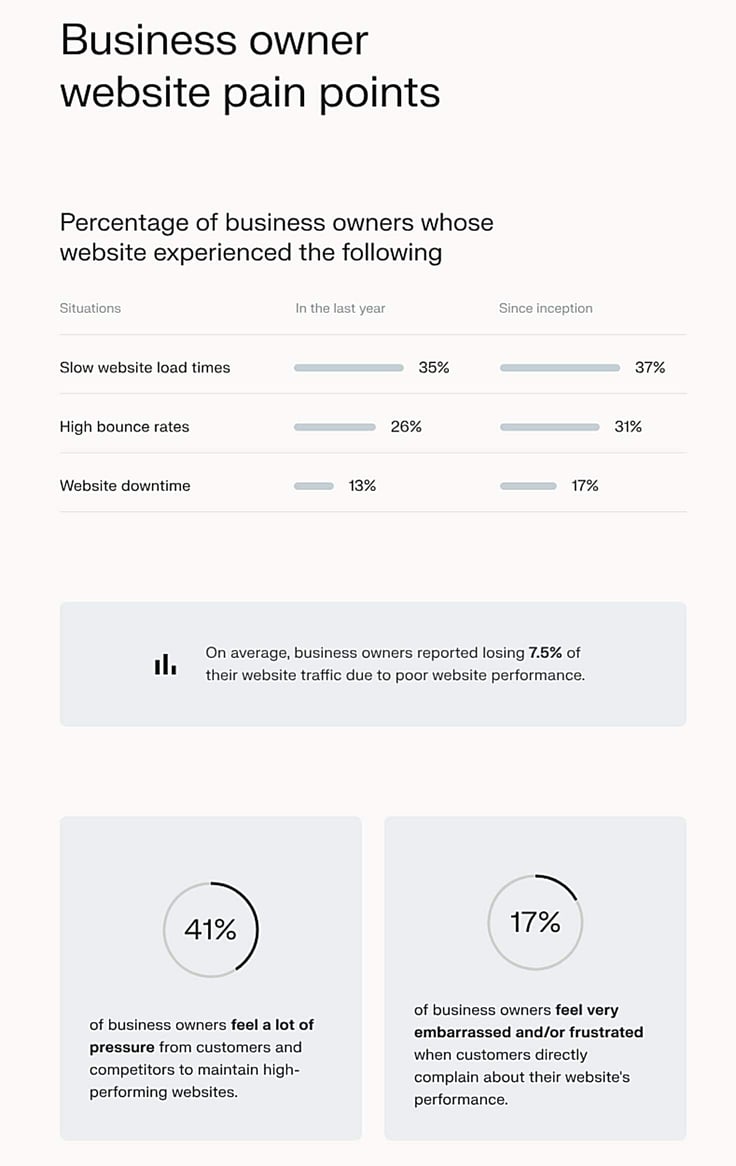
No matter the size of the company or revenue, that’s a major takeaway. And for SMBs already navigating thin margins, a single outage, especially during peak hours, can be devastating.
For some, it already has been. One small business running on Shopify lost an estimated $143,000 in sales during Black Friday due to an outage.
In fact, Liquid Web found that slow website performance on major shopping days leads to revenue loss across the board, with 10% of businesses losing sales on Black Friday, 9% on Cyber Monday, and 8% during new product launches.
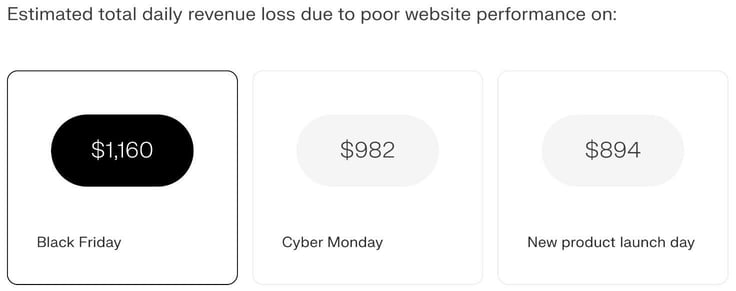
Even brief outages or performance dips can crush user engagement, with 10% of surveyed businesses reporting bounce rates of more than 50% when sites loaded too slowly or went down.
Another quarter of businesses said they’ve lost customers to more stable competitors. In industries like IT, marketing, and professional services (where uptime is often tied directly to trust), that kind of unreliability is a major red flag.
And, truthfully, there’s only one person to blame.
What It Means for Hosts
This isn’t the mid-2010s anymore; web hosting has come a long way since then in terms of performance.
CDNs distribute content globally. Edge networks bring that closer to end users. Smart caching systems minimize server strain with preloaded elements.
So, where’s the disconnect?
It may be that these technologies aren’t usually offered on entry-level plans, which are the very plans that most SMBs can afford. Even if these technologies are included in chosen plans, SMBs are not sure how to leverage that technology effectively, which comes down to a lack of support and education.
That’s not to say that some haven’t taken matters into their own hands. Liquid Web found that SMBs have done the following to keep up with demands:
- 38% have optimized images and code
- 32% reduced third-party apps/plugins
- 27% switched hosting providers
That last one will hit hard for some.
Should high availability be standard? Should monitoring and onboarding be part of every plan? Should hosts anticipate high-traffic days? If they want to keep their clients from losing thousands in revenue, then it’s probably safe to say yes.
