



Writer: Jordan Sprogis


Editor: Lillian Castro


Reviewer: Cristian Lopez

Key Takeaways
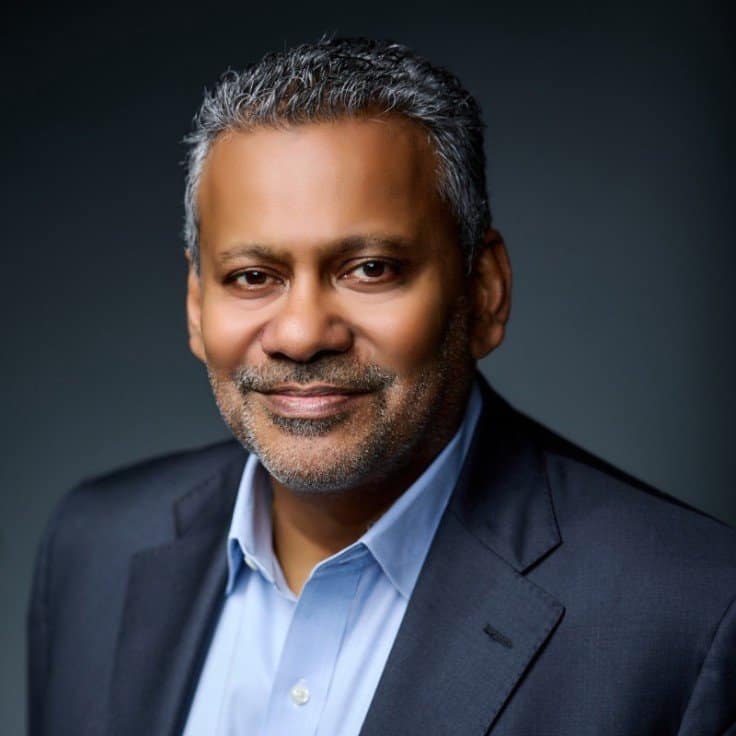
American cloud services provider Rackspace has named Gajen Kandiah as its new CEO, following a year of financial losses. Kandiah, who officially took the role on Sept. 3, previously spent five years as president and COO at Hitachi Digital.
Kandiah has a decent track record to show for it, with Rackspace chairman Jeffrey Benjamin calling him “a proven operator across services, infrastructure, software, and AI.”
Kandiah built Hitachi Digital’s initial AI-first growth strategy for infrastructure, cybersecurity, and intelligent operations. He launched Hitachi Digital Services and oversaw the $9.6 billion acquisition of GlobalLogic.
Rackspace, once a traditional hosting company, has shown interest in expanding its services to include AI integration.
“I am honored to lead Rackspace Technology and its exceptional team of ‘Rackers,’” Kandiah said. “As industries take AI to production, they need the governed multicloud operations that our talented teams design, build, and operate across private, public, and sovereign clouds.”
Where Did Rackspace Go Wrong?
Rackspace built its reputation as a traditional hosting company, offering servers, managed hosting, and email. But once hyperscalers began to dominate the entire market a few years ago, Rackspace — like many others — felt a lot of pressure.
The company’s answer was to follow the giants into multicloud and managed services. It split operations into public and private cloud, laid off hundreds of employees, downsized its San Antonio headquarters, and rebranded as a cloud services provider.
Rackspace also invested in AI-ready managed services, including introducing its new Foundry for AI by Rackspace (FAIR) initiative, which ended up securing 80 AI-related deals.
But the changes failed to stop the slide. Rackspace posted an $863 million loss in 2024, widening from $838 million the year before — a 7% increase. By Q2 2025, Rackspace had logged its fourth consecutive quarterly loss, reporting a $54.5 million net loss on $666.3 million in revenue, down 2.7% year over year.
Despite the losses, executives pointed to signs of progress. In a May earnings release, then-CEO Amar Maletira described the quarter as part of a “continuing operational turnaround,” according to the San Antonio Express News, citing Q2 results that showed bookings up 16% year over year, operating profit up 34%, and a positive cash flow.
Still, revenue growth lagged behind expectations, prompting Rackspace to shake up leadership once more — this time by appointing Kandiah as CEO.
“My starting point is customers,” Kandiah wrote on LinkedIn. “As AI moves from pilot to production, our customers across industries, including regulated and sovereign environments, need governed hybrid and multicloud solutions that meet security and compliance requirements, provide visibility, and deliver measurable results.”
