




Writer: Jordan Sprogis


Editor: Lillian Castro


Reviewer: Cristian Lopez

Key Takeaways
WP Cloud is building its own Application Performance Monitoring (APM) tool to give hosts real-time visibility into WordPress performance, Head of WP Cloud Jesse Friedman told HostingAdvice in an exclusive interview.
And the timing makes sense: Hosting customers have never been more critical of performance or even their base expectations — something SMB owners have been quickly trending toward, as noted by Mindy Ferguson of AWS.
“Anything outside of using real-time data can frustrate end consumers and feel unnatural,” Ferguson told Deloitte. “Having real-time data always available is becoming an expectation for customers. It’s the world we’re living in.”
Case studies have also shown that APM deployments reduced downtime by 60%, saved an average of $1.9 million, and boosted dev productivity by 15%.
And for providers, that’s the selling point: APM systems like WP Cloud’s can track how WordPress apps perform as they’re running, able to detect slowdowns and bottlenecks before customers even notice. It’s almost as if to say: “We’re so on the ball that if something goes wrong, we’ll fix it before you even notice.”
The WordPress Learning Curve
WordPress may be the world’s most popular content management system, but the learning curve has, at the same time, grown steeper.
Consider the fact that just a few years ago, Full Site Editing (FSE) and Gutenberg blocks didn’t exist. Today, they’re the default, meaning that users are forced to navigate a far more complex set of tools, themes, and plugins.

“WordPress is 100% open-source and given to the community for free by thousands of people. But the real challenge is delivering an amazing experience that ensures customer success,” Friedman told HostingAdvice. “For some users, signing up for a hosting plan may be their first and only experience with WordPress.”
With a steeper learning curve, first impressions carry even more weight. Nearly 40% of WordPress users report plugin fatigue thanks to required updates and overwhelming variety, with 71% admitting performance is their biggest pain point.
And since Google tied search rankings to Core Web Vitals, site owners have become hyper-aware of performance metrics and expect their hosts to surface that data.
That, Friedman said, is why WP Cloud already powers so many industry leaders. Instead of rebuilding core infrastructure, hosts like Kinsta, Bluehost, and Porkbun use WP Cloud’s platform to manage performance, with the upcoming APM tool providing an extra layer of troubleshooting.
In fact, Kinsta actually already offers an in-house APM integration built directly into its dashboard.
As Pressable CEO Vik Patel put it: “When customer service teams are focused on infrastructure problems we’re wasting money and opportunity.”
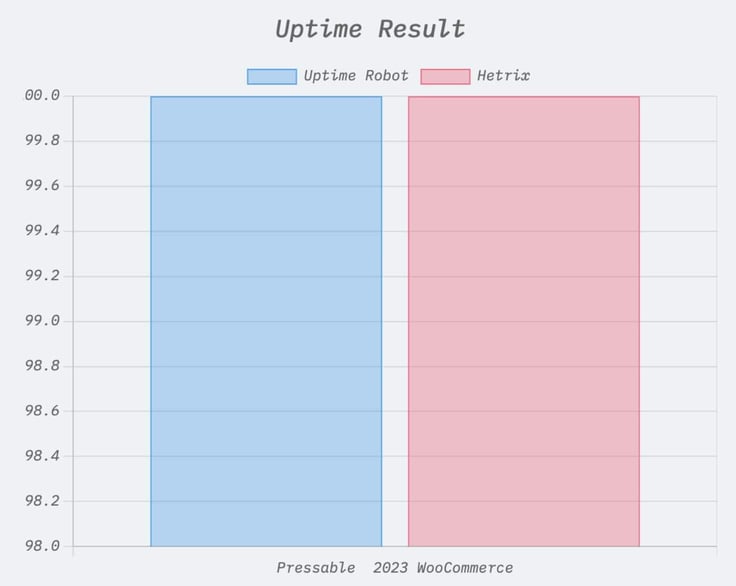
Automattic (WordPress.com’s parent company) recently spotlighted Pressable, a WP Cloud–powered provider, noting nearly 58% year-over-year growth and three consecutive years of 100% uptime.
As Friedman put it: “While platforms like Facebook, Instagram, TikTok, and YouTube are great for building relationships with customers, they can be unpredictable. Algorithm changes, malicious reports, and other issues can lead to losing your audience overnight.”
A website, on the other hand, is stable. And WP Cloud believes the combination of infra management and APM monitoring will allow hosts to focus less on backend maintenance and more on customer experience.
Still, Friedman stressed that APM remains a technical tool. While it can highlight performance insights, it’s up to providers to leverage that data from the APM to continue delivering the speed and stability WordPress users actually notice.
