



Writer: Jordan Sprogis


Editor: Lillian Castro


Reviewer: Cristian Lopez

Key Takeaways
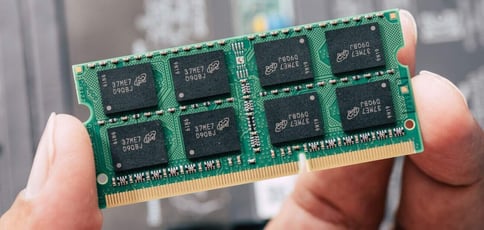
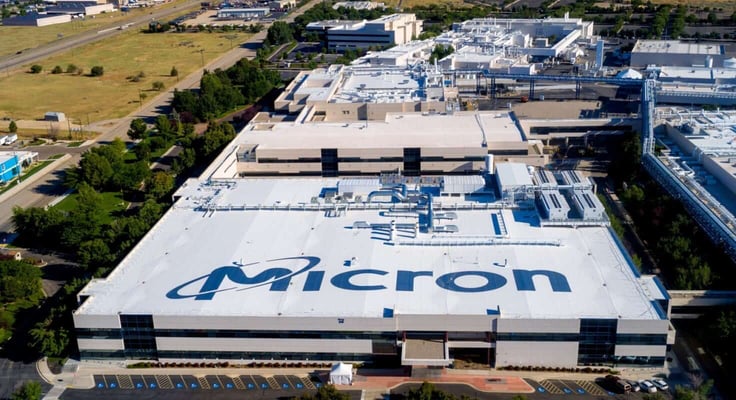
Micron is officially stepping away from its Crucial consumer memory business to focus on enterprise-grade AI infrastructure.
“The AI-driven growth in the data center has led to a surge in demand for memory and storage,” said Sumit Sadana, Micron’s CBO. “Micron has made the difficult decision to exit the Crucial consumer business in order to improve supply and support for our larger, strategic customers in faster-growing segments.”
Crucial has long been a popular option for PC builders, mini-PC vendors, and other infrastructurists who heavily rely on affordable RAM and SSDs for custom builds.
Micron’s exit is another sign that AI workloads are now the industry’s top priority. Everything else will have to adjust around it.
Memory production is increasingly centered around DRAM and high-bandwidth memory (HBM), so that’s what manufacturers are most interested in producing. In fact, SK Hynix, the major South Korean memory manufacturer, says that HBM alone will account for 42% of its DRAM revenue in 2025. And that’s up from just 3% in 2019.
Samsung Electronics has reportedly raised memory-chip prices by as much as 60%. DDR5 RAM kits that once sold for around $125 are now listing closer to $390-$430. That’s a three- to four-time increase. And analysts expect tight supply will continue well into 2028.
Hosting providers, though, tend to rely on more predictable, cost-efficient components like standard server DRAM, SSDs, and HDDs.
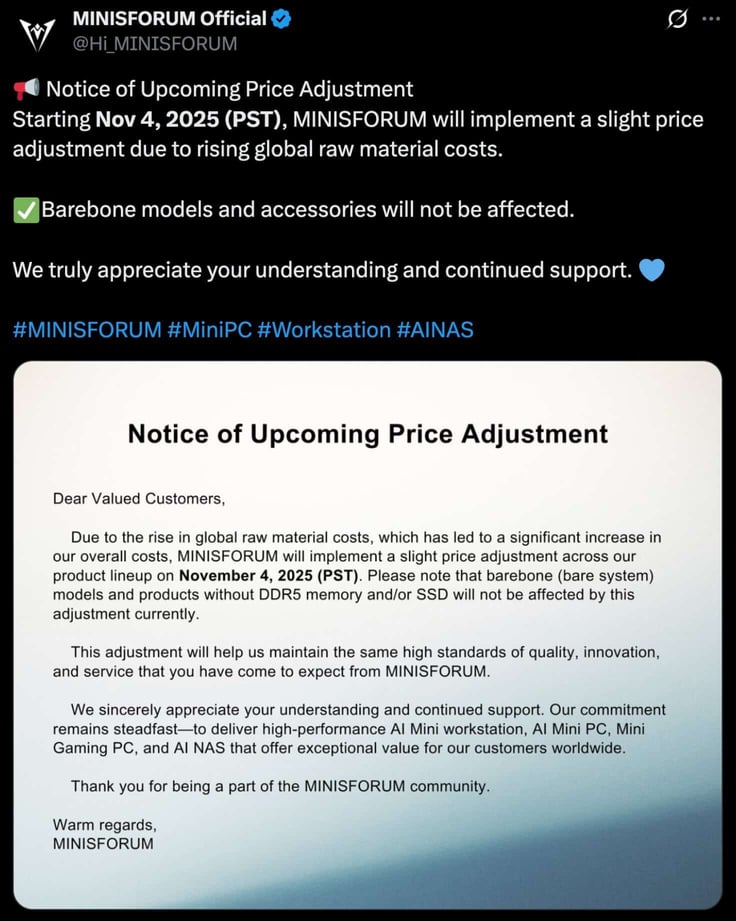
This memory shortage is going to hurt them and all of the self-hosted infrastructure teams that depend on affordable, predictable hardware pricing. Mini-PC maker MINISFORUM already announced it has had to increase prices due to memory chip shortages.
At this point, it’s tempting to ask why manufacturers don’t simply make more of the hardware hosting providers need. But semiconductor manufacturing doesn’t scale that simply — expanding capacity takes years, and post-DRAM crash, chipmakers are very cautious about overbuilding.
Instead, production is prioritized to the buyers with the largest budgets and the most predictable demand. The harsh reality for many midmarket hosts is that right now, that sits almost entirely with hyperscalers and AI infrastructure.
