


Key Takeaways
When WP Engine opened a lawsuit against Automattic in 2024, everyone probably expected a long fight about trademark law. But in what some people call the spiciest era of WordPress, it’s turning out to be something else entirely.
WP Engine (WPE) recently filed a second amended complaint (SAC), adding more than 100 pages to its original complaint when the lawsuit began.
In 2010, Automattic CEO Matt Mullenweg transferred the WordPress trademark to the nonprofit WordPress Foundation, meaning no single company owned the platform. WPE now claims Automattic only appeared to make that handoff, instead giving themselves a royalty-free license that never expires.
There’s no public record of that license, though; the USPTO filing from 2010 shows only the transfer itself. And Automattic denies this claim, taking to its blog to explain the ownership.
Since we are still in the Discovery phase, we’ll likely not see any evidence until trial.
What Happened — From the Beginning
Let’s rewind back to September 2024 when it all began.
Automattic reached out to WPE and proposed a new license that would require WPE to pay 8% of its annual revenue, according to an offer in a term sheet. The 8% would act as payment for profiting from the WP/WordPress brand that Automattic built. But WPE did not sign the agreement, reminding the company that “WP” was free to use.
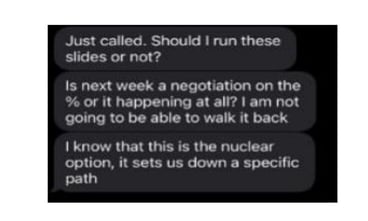
Then, a week before WordCamp U.S. 2024, Automattic’s CFO, Mark Davies, allegedly warned WP Engine’s board that the company would “go to war” if it didn’t agree to the fee. Mullenweg followed up personally on Sept. 19 and 20, on the day of his keynote at WCUS 2024, according to screenshots in the SAC. WP Engine refused.
On Sept. 25, WordPressblocked WPE’s access to plugin and theme repositories, cutting off automatic updates for thousands of customers.
Things were quickly resolved after Automattic restored access, giving WP Engine a deadline to find a workaround. On Sept. 30, the host launched its own system to receive updates without using WordPress’s API.
Around that same time, it appears that Automattic revised its WordPress trademark policy. According to the Wayback Machine, the policy said this for years:
“The abbreviation ‘WP’ is not covered by the WordPress trademarks and you are free to use it in any way you see fit.”
But sometime between Sept. 24 and Sept. 26, that sentence disappeared. These sentences were added, directly calling WPE out as an example of what not to do with the “WP” abbreviation:
“Please do not use ‘WP’ in any way that confuses people. For example, many people think WP Engine is ‘WordPress Engine’ and officially associated with WordPress, which it’s not.”
WP Engine wants to use this as evidence that Automattic revised the policy days after demanding the 8% revenue license over the “WP” trademark and WPE’s success, which measures in billions of dollars in revenue. Those claims appear in court documents from October this year.
Will There Be a “WP” Fallout?
This isn’t the first time Automattic has taken action over the “WP” abbreviation. In 2021, about three years before the trademark policy was updated, plugin developers began noticing that their submissions were being rejected for using “WP” in their names.

To this day, “WP” or “WordPress” are not allowed in plugin names. So, what about the dozens of other “WP”-based brands out there? Did they also mislead audiences into thinking they were official WordPress partners?
Look at companies like Bluehost, Hostinger, and SiteGround. They don’t use the full “WordPress” name, but they’ve all built entire businesses around the ecosystem. WP Engine, though, has undeniably benefited from the “WP” shorthand; brand recognition is powerful.
The problem is that what counts as deceptive is, at best, subjective. It could take years to figure out across the many companies that built their identities around “WP,” like WP Rocket, StellarWP, or WP Beginner.
But others, including Richard Best, the lawyer behind “WP and Legal Stuff” — a blog that breaks down the ongoing lawsuit — disagree. Best leans toward WP Engine having some strength, but he also warns that any victory could be pyrrhic — referring to a victory achieved at such a devastating cost, it’s the same as a defeat.
“Can anyone truly win in these proceedings? Even if Automattic were able to successfully defend all claims against it … nothing can undo some of the events on its side that prompted the litigation … And if WPEngine succeeds … what impact might that have on the WordPress ecosystem … Let us not forget that Automattic (along with the other coding contributors) has always been the lifeblood of modern-day WordPress.”
Because if Automattic didn’t transfer the WordPress trademark, every host that uses “WP” in its branding (not even just its name) could be at risk. And even if WP Engine wins and “WP” is free to use, it would ruin the trust and dependence that many people have in WordPress.
Its trademark page also says:
“Just because you’re using “WP” doesn’t mean you aren’t violating trademark law in other ways — if you look in Internet Archive for dozens of things WP Engine has changed on their site around their use of the WordPress (and WooCommerce) trademark you can get a good sense for what not to do.”
This means that a company who doesn’t explicitly use “WP” could still be infringing if its branding, copy, or SEO metadata suggests endorsement or partnership with WordPress/WooCommerce. And Automattic wants to make it very clear which brands it works with.
To many, Automattic’s actions are not reflective of the open-source community it once fought so hard to create. Still, a lot of the new information related to the lawsuit is speculative. As of now, no trial date has been set. But with WP Engine’s SAC, it’s likely discovery will continue well into 2026.