


Key Takeaways
- Zendo Energy raised $2.2M to launch an AI-powered “energy OS” for data centers. The goal is to help operators cut energy costs by 25% and ease the shift to renewable resources.
- Zendo’s platform helps smaller operators stay ahead by making smarter energy calls in real time, even as AI workload demand remains unpredictable.
A London-based startup is taking the reins on what it means to be an energy-efficient data center.
Zendo Energy secured $2.2 million (1.75 million euros) in pre-seed funding to build what it calls an “energy operating system” for data centers that promises to help cut energy costs by 25%.
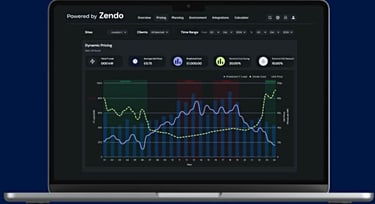
Zendo uses predictive analytics to forecast energy demand, optimize infrastructure use, and identify what’s called “stranded power,” which is unused capacity due to things like outdated infrastructure.
The round was led by Fly Ventures, a well-known venture capitalist that was an early backer of Wayve, an autonomous driving startup. Other investors also contributed.
The company was founded in 2024 by Jade Batstone and Drew Barrett, who together bring more than 20 years of experience in tech and energy.
Batstone is a former Square exec and product innovation lead at SWIFT, while Barrett was previously head of renewable procurement at Octopus Energy, the UK’s largest energy supplier.
Gabriel Matuschka, a partner at Fly Ventures, described Zendo’s work as a “fundamental shift in how data centers evolve to meet future demand.”
“We believe their technology can unlock the next generation of data center operations that are greener, more efficient, and more profitable,” Matuschka said.
AI’s Power Surge Is Coming
The International Energy Agency estimates that global electricity demand from data centers will more than double by 2030.
IEA’s Fatih Birol stressed that action can be taken now because before, policymakers and markets “lacked the tools to fully understand the wide-ranging impacts.”
Batstone made an interesting comparison: today’s data centers and WeWork.
“They’re procuring energy to power all of their tenants’ workloads, but they’re having to make their best guess at how these workloads will evolve,” she said.
For those who don’t remember, WeWork initially offered a community-driven model by transforming rented office spaces into shared workspaces and leasing them out on short-term, flexible contracts.

But as remote work grew during the pandemic, WeWork’s model became obsolete, ultimately leading to its bankruptcy in 2023.
So, how do data centers compare?
The rapid rise of AI workloads makes it hard for data centers to predict tenant demand, which creates challenges in energy, capacity, and infrastructure forecasting and optimization.
Barrett noted that data centers aren’t unlike energy companies, whose main cost is energy and main revenue is tied to the capacity they can sell.
“Since energy costs are often passed through to the end customer, being able to manage price volatility is critical for these data centers to protect their margins and maintain competitiveness in the market,” said Barrett.
Zendo’s goal is to help do just that — stay ahead of surging AI demand without letting energy costs spiral out of control.
With tighter margins than hyperscalers, these providers need real-time data and smarter forecasting tools to reduce risk and boost efficiency.
Keep your eye out: Zendo Energy plans to expand its product development team and move into the international market.