


Key Takeaways
- What started as a legal dispute from Automattic has escalated into a lawsuit over who gets to profit from WordPress (and how).
- While WP Engine hasn’t violated the GPL, Automattic argued that it abused the CMS’s trademarks and monetized from it without contributing back to the community-driven platform.
- The outcome of the lawsuit could change how hosts and builders operate within WordPress, including plugins, themes, and hosting or bundling packages.
A dispute that began over alleged misuse of WordPress branding has since evolved into a broader debate about how the open-source platform operates, who profits from it, and who enforces its rules.
At first glance, the case looks like yet another legal drama between two stubborn giants. But the outcome of the suit could affect how WordPress-based hosts, builders, and infrastructure providers use it going forward.
In a recent interview on the podcast “Decoder,” Automattic CEO Matt Mullenweg gave an update on the ongoing legal feud with WP Engine. He said: “Both sides are spending millions of dollars a month on lawyers.”
The WP Engine vs. Automattic Timeline
The core of the argument between WP Engine and Automattic comes down to how much freedom commercial WordPress providers should have surrounding building, deploying, and monetizing on top of the open-source platform.
There is a weak spot in this case: WP Engine has, technically, done nothing legally wrong — at least according to the GPL.
The GPL (GNU General Public License) is an open-source license that states how the software can be used. This means hosts can build, host, and resell WordPress-based tools under GPL, but they can’t rebrand their service as “official WordPress provider” or anything similar.
Plugins or themes built on WordPress also fall under the GPL. Ongoing debates abound surrounding commercial builders like Elementor and WPBakery, which add proprietary elements so it’s “theirs.”
With this in mind, Automattic claims WP Engine is abusing the WordPress trademark, monetizing core plugins without giving back to the ecosystem, and undermining the platform’s community-driven foundation.
Here’s a look at the legal timeline:
- June 2022: WP Engine begins commercializing WordPress plugins starting with acquiring Delicious Brains plugins, including Advanced Custom Fields (ACF), WP Migrate, and others.
- September 2024: Automattic issues a cease-and-desist letter to WP Engine, accusing it of misusing the “WP” branding and expressing concerns that the company had built its $400 million annual revenue “entirely on extensive and unauthorized uses of the trademarks.”
- September 2024: Automattic blocks WP Engine contributors from accessing WordPress.org’s repositorites, which prevents WP Engine from updating plugins, like ACF.
- October 2024: WP Engine is not pleased, calling it an “act of sabotage” and sued Automattic and Mullenweg, alleging WordPress as “deliberately abusing their power and control over the WordPress ecosystem.” WP Engine reveals Automattic allegedly demanded 8% of its revenue for continued use of the WordPress trademark.
- October 2024: Automattic responds by filing three court motions, claiming WP Engine misused WordPress trademarks and violated open-source principles and the spirit of WordPress’s ecosystem and community.
- December 2024: The court orders Automattic/Mullenweg to reinstate WP Engine’s full access to WordPress.org infrastructure.
- June 2025: Mullenweg confirms the lawsuits are ongoing and costly: “Both sides are spending millions of dollars a month.”
Many speculate that this fallout spilled into Automattic’s budget and morale.
In October 2024, nearly 160 Automattic employees accepted a buyout package for employees who disagreed with Mullenweg’s handling of the dispute with WP Engine. The offer is either $30,000 or six months’ salary, whichever was higher.
“It was clear that there were some folks who just weren’t in line with where the business was going, or we had some folks who already had another job,” Mullenweg explained on the “Decoder” podcast.

Then, in April 2025, Mullenweg announced that the company would be laying off 16% of its workforce, citing company/product restructuring.
Automattic has also cut contributor hours and some plugin devs have expressed uncertainty about the long-term hosting support policies.
“My sense from following this closely over the past couple of weeks is that while a good portion of WP folks agreed initially with the essence of his complaint … most of us at this point do not agree with how he’s handling things,” one Reddit user, u/dalek_999, said. “I’m too scared to say anything publicly myself, because my business and career is completely built around WP.”
Others in the WordPress community are more positive.
Aurelio Volle, CEO of WP Umbrella — another commercial WP provider — wrote a LinkedIn post, sharing that, while discouraging, “this situation made me explore alternatives, and after digging into the options, I’ve come to a simple truth: WordPress, despite its imperfections, is still the best platform for security, freedom and flexibility.”
What Happens Next?
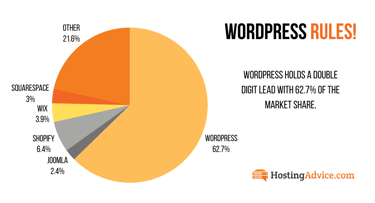
Although there has been plenty of reaction to the legal feud, so far, nothing noteworthy like market share changes have occurred: WordPress remains an enormous ecosystem, powering 43% of all websites and 61% of CMS-driven sites globally.
WP Engine’s numbers aren’t too bad either: The company powers more than 200,000 websites, and roughly 8% of all internet users land on a WP Engine-hosted site at some point.
But Mullenweg himself has said this is not the first time WordPress has experienced something like this.
“It’s the first time in this media landscape, or when we’re this big,” he said, “but there have been similar things in the past … If we don’t stand up to it, it could threaten the future of us existing at all.”
For web hosts that rely on WordPress, the outcome of this legal battle could change how they package or resell WordPress-based tools. While WordPress’s software is licensed under the GPL (and therefore remains free to use), the WordPress trademark is a different story.
In other words, if Automattic wins, anyone depending on WordPress could see stricter enforcement around plugin branding, bundling packages, and the commercial use of the WordPress name.
All anyone can do now is wait.