

TL; DR: Data breaches have long-reaching side effects that can harm businesses in more ways than one. They can expose sensitive data and cause companies to lose money and their reputation as a result. Zero trust solutions can help users combat bad actors at a granular level. NordLayer’s Zero Trust Network Access (ZTNA) solution uses a “never trust, always verify” approach to ensure access to sensitive information is only granted to those verified and authenticated based on internal security policies. For those with cloud environments, ZTNA can provide the perimeter defense needed to secure their ever-changing cloud systems.
The cloud may offer unlimited potential, but wielding its power isn’t always safe. The dynamic nature that makes it so attractive can also make it challenging to secure. Its perimeters aren’t as well-defined as traditional, on-premises systems so implementing traditional security won’t have the same impact.
Without proper cybersecurity, user data can become increasingly vulnerable in cloud systems. Eighty-two percent of cloud breaches in 2023 involved data stored in cloud environments, spotlighting the vulnerabilities of digital transformation.
As businesses come to rely more on cloud solutions, they will need to strengthen their cybersecurity systems and measures. And to face off with bad actors, teams will need to bolster their security posture with tools they never thought of using.
One of the best ways to stay secure in today’s digital landscape is to continuously monitor new cybersecurity technologies and trends. This allows businesses to stay informed and consider new tools to enhance their defense.
As it happens, a new cybersecurity approach has emerged as a top contender for securing business systems, and it’s part of the zero trust security model. Zero Trust Network Access (ZTNA) is a new layer users can add to their zero trust architecture.

ZTNA may be a newcomer, but it has already proven to be a game changer for many companies that have implemented it into their processes. And NordLayer happens to offer the ZTNA framework within its multilayered security approach, making it accessible to many.
Below, we’ll discuss ZTNA, how it works, NordLayer’s approach, and how you can implement it into your organization without hiccups.
Zero Trust Network Access Changes the Cloud Security Game
The zero trust security model is nothing new. The term “zero trust” was coined by Stephen Paul Marsh in his doctoral thesis on computer security in April 1994. Later, in 2010, analyst John Kindervag of Forrester Research used the term “zero trust model” to describe stricter cybersecurity programs and access control within corporations.
But zero trust architecture didn’t truly begin to make waves until the end of the 2010s, when mobile and cloud services adoption exploded and the need for cybersecurity was at an all-time high. Zero trust ensures IT systems stay secure, operating on a “never trust, always verify” approach.
“Finding ways to incorporate a zero trust framework without disrupting operations can be complex but is essential for modern security,” said Andrius Buinovskis, Head of Product at NordLayer.
The zero trust architecture facilitates security by scrutinizing potential threats. No one within or outside an organization has implicit trust, and every user must be verified and authenticated continuously to access sensitive data.
Zero Trust Network Access fits into the cybersecurity puzzle by ensuring that every user, device, and application undergoes scrutiny before gaining access to sensitive resources. It presents a robust security measure for businesses navigating and securing cloud environments.
“By implementing ZTNA, organizations can identify vulnerabilities within their systems and take proactive measures to mitigate risk,” said Andrius.
Since traditional security models don’t work as well for modern infrastructure, leveraging ZTNA can help teams protect their data at every step and enhance security within the dynamic nature of the cloud.
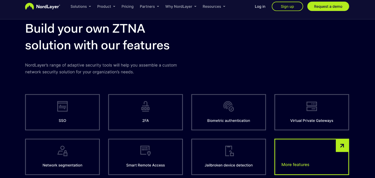
ZTNA creates context-based boundaries for businesses, so their applications, data, and devices can be protected regardless of location. NordLayer offers multiple features with its ZTNA tools, including fixed IP addresses, virtual private gateways, multifactor authentication, single sign-on, and IP allowlisting.
ZTNA itself does not grant access but instead lays the groundwork for defining access policies within an organization. This way, businesses can apply their own approach and still access the benefits of ZTNA, which include insider threat reduction, minimized account breach risk, and internal application protection.
Organizations Can Save Up to $1 Million
Organizations across industries face the challenge of securing their operations against bad actors and their looming threats. And they have a lot to lose if they don’t.
According to Enclave, the global average cost of a data breach in 2023 was a whopping $4.45 million, an increase of 15% since 2020. Bad actors are becoming more sophisticated in their attacks. Unfortunately, many businesses aren’t evolving quickly enough, making them prime targets for criminals seeking to exploit data.
In fact, the financial industry faces the most risk due to the high volume of sensitive data it handles and stores. Without proactive measures to identify vulnerabilities and mitigate risks, financial institutions stand to lose millions of dollars at any time.

However, extensive use of zero trust solutions can make a difference. About 39% of financial organizations that have adopted zero trust architecture throughout their operations have seen substantial cost savings, averaging $850,000.
Zero trust can help industries protect sensitive resources with its rigorous authentication and verification. And NordLayer can help make implementing ZTNA simple. Users can install NordLayer in minutes and begin configuring their security and access policies right away.
Here is a list of use cases for NordLayer’s ZTNA:
- Identify and verify users
- Protect access to SaaS applications
- Secure remote access
- A VPN alternative for workforce needs
- Control third-party access
- Secure access to development environments
- Compliance and auditing
ZTNA can also help users reduce the cost of their data breaches — by approximately $1 million. Since ZTNA can aid in quickly identifying and containing breaches, this minimizes the impact of breaches and their associated costs, including legal fees, remediation, and regulatory fines.
Tips for Zero Trust Implementation Within Your Business
Businesses nowadays have so much to secure: remote teams, SaaS applications, internal systems, and so on. Thus, it has become increasingly difficult to track vulnerabilities.
Andrius Buinovskis understands that transitioning to a zero trust model has challenges and shared tips to help users navigate these waters. Andrius highlighted cultural shift as the primary obstacle for companies. Teams accustomed to traditional security methods may have difficulty adjusting to a “never trust, always verify” approach.
“Start small and scale gradually. Identify your most critical assets and implement zero trust principles around them first,” said Buinovskis. “This approach allows you to demonstrate value quickly and build momentum for wider adoption.”
It’s a good thing NordLayer makes integrating its zero trust solutions a breeze. Its solutions fit effortlessly into existing IT setups and only take minutes to deploy. NordLayer also offers tailored security plans and layered solutions to simplify network protection and scale with businesses.
Andrius also emphasized the importance of user education and how it can make adopting the zero trust model go more smoothly. He said zero trust can appear intrusive to users who are used to unrestricted access. But with proper training and transparency, team members can better understand the benefits behind the new security measure.
“The benefits far outweigh the initial hurdles,” says Buinovskis. “As cyber threats continue to evolve, zero trust provides the flexibility and security posture necessary to protect sensitive data and maintain customer trust.”